
The Base Tan Myth: Why a Pre-Vacation Tan Does Not Protect You
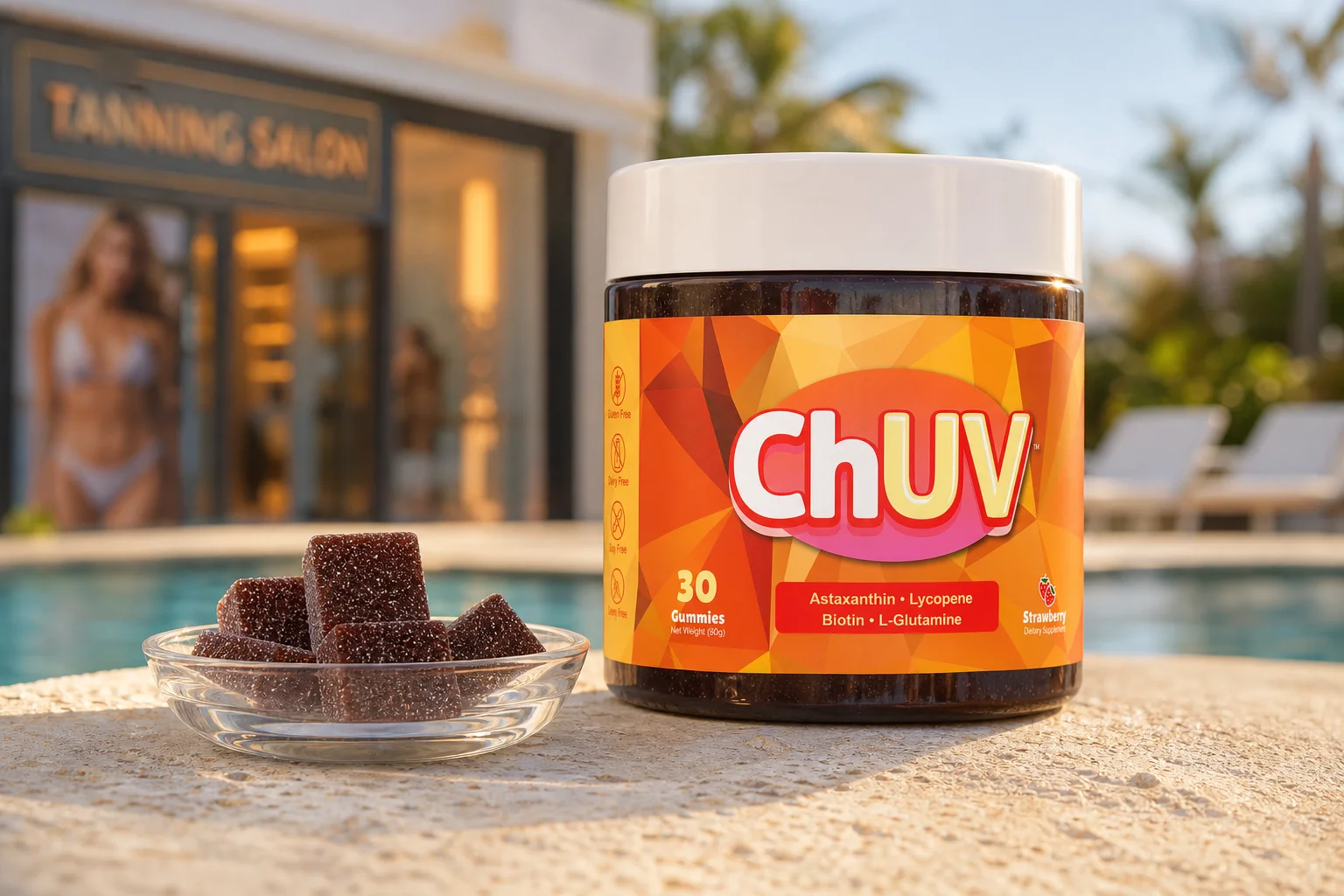
Booking a trip and heading straight to a tanning bed to prep your skin? The base tan myth convinces travelers that a pre-vacation tan builds real sun protection, but dermatologists say it does the opposite: it adds skin damage without meaningfully lowering sunburn risk. ChUV tanning gummies offer visible color without that trade-off.
By CAYO Nutra Team, Supplement Specialists
What Is a Base Tan, and Why Do People Get One Before a Trip?
A base tan is the light layer of color people build in the days or weeks before a beach trip or cruise, usually through tanning beds or repeated outdoor sun exposure sessions. The base tan myth is especially popular right before a beach trip, when travelers rush to build a base tan before vacation starts, hoping it will let them spend hours in the sun once they arrive without burning. Many people think more melanin, the pigment responsible for skin color, automatically means more built-in protection against ultraviolet radiation. In practice, the amount of protection a base tan actually provides is far smaller than most people assume, and the process of getting one causes real, measurable skin damage before the vacation has even started. This pattern is common enough that many travelers treat the pre-trip tanning bed session as routine, almost like packing a suitcase, without ever questioning whether it works the way they assume.
Does a Base Tan Actually Protect Your Skin From Sunburn?
Barely. A base tan does not prevent sunburn the way sunscreen, shade, or protective clothing does, and it does nothing to lower your risk of skin cancer. The extra melanin darkens skin, but it only blocks a small fraction of incoming UV rays, nowhere near enough to offset the stronger, more direct sun exposure of a beach vacation. Anyone who has ever gotten sunburned on top of an existing tan already knows this firsthand: the color did not stop the damage underneath it. Some people also stack a base tan with tanning oil that has no SPF at all, which increases sunburn risk on both the prep sessions and the trip itself, compounding the exposure rather than balancing it out. Dermatologists commonly describe a base tan as evidence the skin has already been injured, not a protective layer that prevents future injury.
How Much SPF Protection Does a Base Tan Really Give You?
The American Academy of Dermatology notes that the protection from a base tan is roughly equivalent to an SPF of 3 or lower, far below the SPF 30 minimum most dermatologists recommend for daily sun protection. That small buffer does little against both UVA and UVB rays, the two types of ultraviolet radiation responsible for sunburn, premature aging, and DNA damage in skin cells. UVB rays are the primary cause of sunburn itself, while UVA rays penetrate more deeply and drive longer-term damage such as wrinkling and a higher risk of skin cancer. A base tan is, at best, a weak head start against either type, not a shield, which is why dermatologists say relying on one before a trip gives travelers a false sense of security.
Why Do Dermatologists Call the Base Tan Myth Dangerous?
Because a base tan is proof of damage, not protection. Every shade of tan, whether from the sun or a tanning bed, is the skin's visible response to DNA damage: it produces more melanin to try to defend itself against further harm. International health authorities, including the World Health Organization, classify tanning beds among the known causes of skin cancers, including melanoma and basal and squamous cell carcinoma. Building a base tan before vacation adds a second, avoidable round of that same damage right before the higher sun exposure of a beach trip, which is part of why dermatologists consider the base tan myth genuinely dangerous rather than a harmless vacation ritual. This is also why dermatologists tend to describe base tanning and unprotected sunbathing in the same breath: both trade a short-term cosmetic result for a long-term increase in skin cancer risk.
What Happens to Your Skin When You "Prep" for Vacation With a Tan?
Each tanning session, whether outdoors or in a bed, accelerates DNA damage that accumulates in skin cells over time. UV exposure can damage skin at the cellular level long before any visible sunburn appears, which is part of why the color of a base tan is misleading. The process also taxes the antioxidant defenses your skin relies on to neutralize free radicals generated by UV exposure, leaving fewer natural resources available once you're actually on vacation and facing stronger, more direct sun. The result is skin that looks tan but is, at the cellular level, more vulnerable, not less, to the sun exposure still ahead of it. Repeated tanning sessions in the weeks before a trip can also leave skin drier and more prone to peeling, which makes it harder for sunscreen to sit evenly on the surface once you're actually poolside.
What Are Safer Alternatives to Base Tanning Before a Trip?

Skipping the pre-vacation tanning bed session does not mean skipping color. Broad-spectrum SPF 30 or higher sunscreen, reapplied roughly every two hours and after swimming, is still the most reliable way to protect skin on the trip itself. Lightweight UPF-rated clothing, a wide-brimmed hat, and seeking shade during peak UV hours, generally late morning through mid-afternoon, all reduce sun exposure further. A close look at ingredient labels also helps: self-tanning lotions and mousses that use DHA to darken the outer skin layer are another topical option, though they wash off and need reapplying every few days. For color without any of that UV exposure, the carotenoid tanning mechanism gives skin a warm tone from the inside, using pigments the body deposits into skin over time instead of pigment triggered by UV-driven skin damage. Vitamin D needs, which many people cite as a reason to sun tan before a trip, are usually easier and safer to meet through diet or a standard supplement than through deliberate UV exposure.
Can Tanning Gummies Give You Color Without the UV Damage?
Yes. ChUV's astaxanthin and lycopene gummy works through carotenoid pigmentation rather than UV-triggered melanin production, so the color comes from what you eat, not from damaged skin cells. Astaxanthin and lycopene are carotenoid antioxidants that build a natural warm glow in skin over time, a meaningfully different mechanism than tanning beds or sun exposure, both of which require actual skin cell injury to produce color. Because there is no UV exposure involved, this approach carries none of the DNA damage, sunburn risk, or skin cancer risk associated with base tanning, whether that base tan comes from tanning beds or unprotected time outdoors. For most people, that shift alone removes the single biggest source of avoidable UV exposure in their pre-vacation routine.
How Long Before Vacation Should You Start Building Color?
Timelines vary by individual and depend on dosage consistency, but many people notice visible color within about two to three weeks of consistent daily use. Because of that gradual timeline, prepping your glow before a trip usually works best when started several weeks out rather than the day before departure, giving the carotenoids time to build up in skin. That head start replaces the tanning-bed base tan without asking skin to absorb any extra UV radiation to get there, and it means there is no rush to squeeze in one more tanning session right before you leave.
Frequently Asked Questions
Does a base tan prevent sunburn on vacation? Not meaningfully. A base tan offers only minimal protection, roughly an SPF of 3 or lower, so skin can still burn quickly once exposed to the stronger, more direct sun of a beach trip or cruise. Sunscreen, shade, and protective clothing remain the protection methods dermatologists consider reliable, and none of them require damaging skin ahead of time the way building a base tan does.
What SPF number does a base tan actually equal? Most dermatology guidance puts a base tan's protection at around SPF 3 or lower, well below the SPF 30 minimum recommended for daily sun protection. That gap is why relying on a base tan alone still leaves skin at real risk of sunburn, and why dermatologists recommend sunscreen even for people who already have some color from prior sun exposure.
Is getting a base tan before a beach trip or cruise safe? It is not considered safe by dermatologists, since building a base tan means intentionally exposing skin to UV radiation and accumulating DNA damage before adding more sun exposure on the trip itself. That stacked exposure is linked to a higher risk of skin cancer over time, including melanoma, rather than any protective effect once you arrive at your destination.
Can tanning gummies replace a base tan? Yes, in the sense that both are used to build color before a trip. Tanning gummies use carotenoid pigmentation from ingredients like astaxanthin and lycopene instead of UV-triggered melanin, so they can achieve a similar cosmetic goal without the sun exposure, DNA damage, or skin cancer risk a base tan requires.
Get a Vacation Glow Without the Tanning Bed
Skipping the pre-vacation base tan does not mean skipping color, it just means getting that color a safer way. Reach out to our team with questions about building a natural glow before your next trip.


