
Tanning Gummies: What Dermatologists Want You to Know First
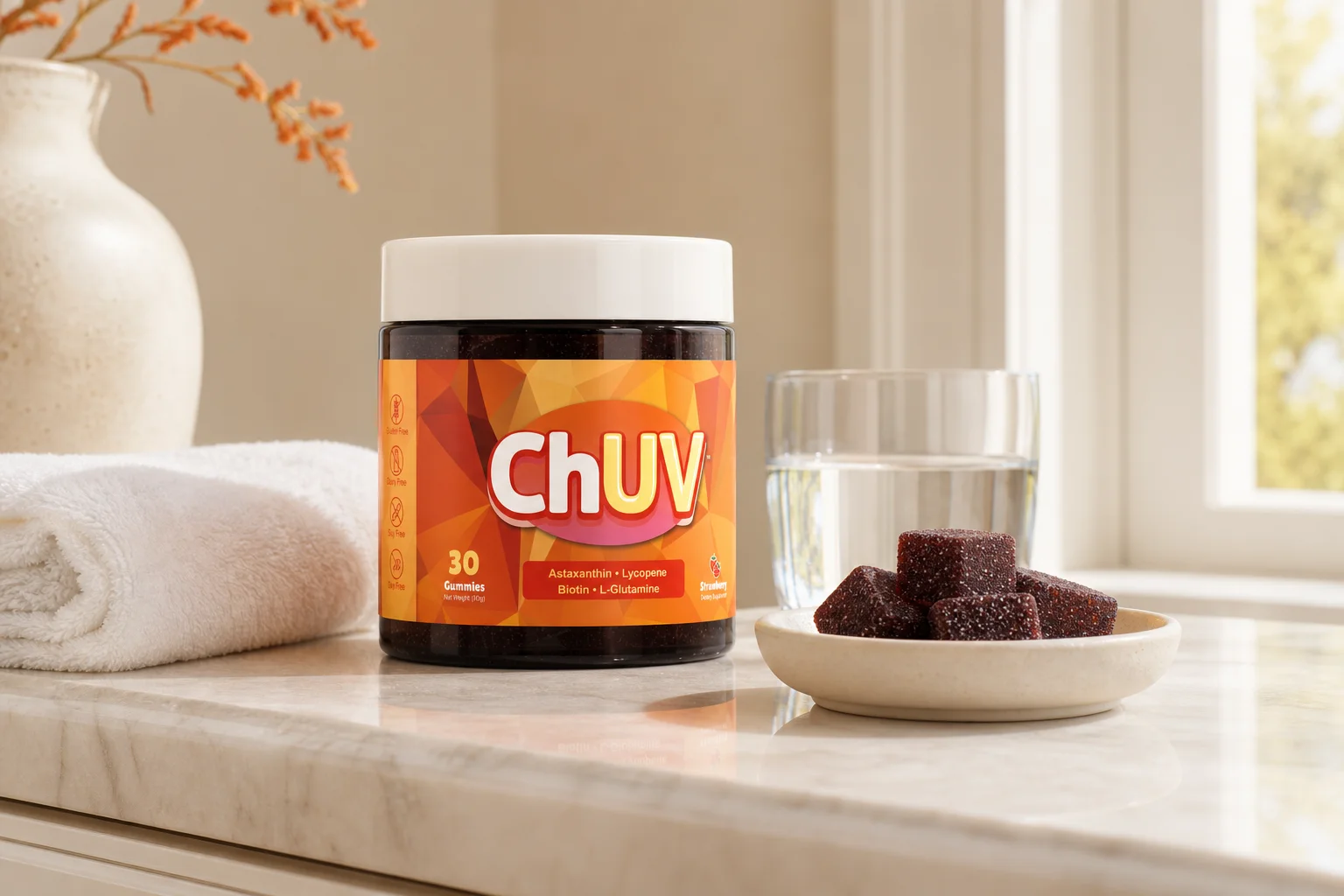
If you're wondering whether tanning gummies live up to the hype, dermatologists want you to understand the science first. ChUV Tanning Gummies use astaxanthin and lycopene, two carotenoids, to support a golden tone from within, without the UV damage tied to tanning beds or sun exposure.
By CAYO Nutra Team, Supplement Specialists
How Tanning Gummies Actually Work Inside the Body
Tanning gummies work through a process dermatologists describe as carotenoid deposition. When you eat a gummy formulated with astaxanthin and lycopene, your digestive system absorbs those carotenoids and routes them into the lipid layer just beneath the skin's surface. Over time, this buildup shifts your skin tone toward a warmer, more golden shade, the same basic principle behind carotenoid-rich diets that give skin a subtle color shift, just engineered into a more concentrated, purpose-built formula. This is a real physiological process, not a dye or stain sitting on top of the skin, which is why the color change looks like an authentic tan rather than a coat of paint.
Dermatologists note that consistency matters more than dosage size. Daily use is what builds visible color over time, not a single oversized dose taken once and forgotten. A healthy glow comes from steady, predictable carotenoid levels in the skin, not from sporadic dosing followed by long gaps.
The Carotenoid Difference: Astaxanthin, Lycopene, and Beta-Carotene
Not every gummy on the market uses the same ingredients, and that distinction matters. The core difference between beta-carotene astaxanthin and lycopene comes down to how each carotenoid behaves once it reaches the skin. Beta-carotene is notorious for oxidizing unevenly, which is what causes the unnatural yellowish-orange tinting some tanning products are known for. ChUV Tanning Gummies skip beta-carotene entirely. The astaxanthin lycopene combination in ChUV's formula deposits more evenly across skin cells, producing a natural warm glow instead of a flat orange cast. Dermatologists who study carotenoid supplementation generally agree this is the ingredient distinction worth checking before you buy any tanning gummies, read the label, not just the marketing.
Ingredient oversight is worth understanding too, since not every supplement category faces the same scrutiny. Dietary supplements are regulated differently than prescription drugs, which is exactly why checking a product's FDA oversight matters before you commit to a brand.
What a Realistic Timeline Looks Like
Dermatologists caution patients not to expect an overnight transformation. Most people begin noticing a subtle shift in skin tone within one to two weeks of daily use, with a fuller, more golden tone developing over four to six weeks. A one month supply is usually the minimum window needed to judge whether a formula is working for your body chemistry, since carotenoid buildup is gradual by design. Skipping days slows the timeline considerably, and stopping altogether means the tone fades gradually over the following weeks as carotenoid levels in the skin decline, unlike a spray tan that simply wears off within days.
Zero downtime is required. There's no peeling stage like a self-tanner mishap, just a gradual bronze buildup over the following months with continued daily use. ChUV ships throughout the United States, and most orders arrive within a standard shipping window, which matters if you want to start and maintain daily use without a gap in your supply right as the timeline is building.

Comparing Tanning Gummies to Tanning Beds and Daily UV Exposure
The biggest reason dermatologists bring up tanning gummies at all is the alternative most people are already using: tanning beds and unprotected sun exposure. The American Academy of Dermatology has long cautioned against tanning beds because of the direct link between UV exposure and skin cancer risk, a concern that applies across the United States regardless of skin type. Tanning gummies sidestep that risk entirely since there's no UV damage involved, the color comes from carotenoids working from the inside, not from radiation altering skin cells. That distinction is exactly why more dermatologists are willing to discuss tanning gummies as a lower-risk alternative for people who want a bronze, sun-kissed look without the downstream skin health costs of UV exposure.
If you have a history of skin conditions or take medication that affects photosensitivity, Contact our team before adding any new supplement to your routine. Dermatologists recommend that basic check-in regardless of which tanning method you choose, since overall skin health should always come before cosmetic goals.
If you're weighing gummies against topical options like self-tanning lotion, the difference comes down to where the color develops. A topical self-tanner sits on the surface of the skin, so it shows results immediately but also fades unevenly and can rub off onto clothing and sheets as the top layer of skin sheds. Tanning gummies build color from underneath instead, so the tone takes longer to show but does not streak, patch, or transfer the way a topical product can. The same tradeoff applies against a professional spray tan: it usually comes down to cost and convenience rather than which method looks more natural, since both can produce a convincing bronze tone when done well.
Frequently Asked Questions
Are tanning gummies safe to take every day? Most dermatologists agree that daily use of a well-formulated product is fine for most healthy adults, since astaxanthin and lycopene are food-based carotenoids, not synthetic hormones or drugs. As always, check with your doctor if you're pregnant, nursing, or taking medication that affects photosensitivity before starting daily use.
What flavor do tanning gummies usually come in? Flavor varies by brand, but most tanning gummies use a mild fruit flavor to make daily use easier to stick with. ChUV keeps its flavor profile simple and free of artificial dyes, since the color change should come from the carotenoids themselves, not from added colorants in the gummy.
Are tanning gummies vegan? ChUV Tanning Gummies are formulated to be vegan, using plant and algae-derived astaxanthin and lycopene rather than animal-based gelatin or dyes. If you're comparing brands, always check the label since formulas differ across the tanning gummies market.
How much does a month's supply cost? Price varies depending on promotions and subscription options, so always check the current listing on the ChUV product page rather than relying on outdated numbers. A one month supply is generally the standard unit dermatologists and brands recommend evaluating results against.
Can tanning gummies replace sunscreen? No. Tanning gummies change skin tone from within but provide zero UV protection, so sunscreen is still necessary anytime you're in the sun. Dermatologists are clear that the two serve entirely different purposes: one is cosmetic, the other protects against UV damage and skin cancer risk.
Get a Golden Tone the Dermatologist-Informed Way
If you're ready to build a golden tone without the UV risk, ChUV's astaxanthin and lycopene formula gives you a dermatologist-informed place to start.


